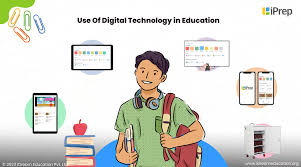

In today’s digital age, parents and teachers often wonder how technology can improve younger kids vocabulary in a meaningful and effective way. With the right tools, technology can turn learning into an engaging, interactive, and enjoyable experience for children. When used wisely, digital resources can help kids discover new words, understand meanings, and use them confidently in daily life.
Why Vocabulary Building Matters for Young Kids

Vocabulary plays a major role in early childhood development. It strengthens communication skills, boosts reading comprehension, and improves confidence in speaking and writing. Kids with a strong vocabulary foundation perform better academically and express their thoughts more clearly.
Role of Technology in Language Development
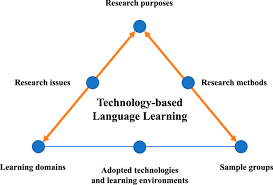
Technology introduces children to words through visuals, sounds, animations, and interactive elements. This multi-sensory learning method helps them remember new vocabulary faster. From educational apps to kid-friendly e-books, tech tools offer personalized learning experiences that adapt to a child’s level and pace.
Best Digital Tools for Vocabulary Growth

Several apps and platforms are designed especially for young learners. Tools like Khan Academy Kids, Duolingo ABC, Lingokids, and digital flashcards make word learning fun and effective. Interactive story apps expose kids to new words within real-life contexts, helping them understand usage naturally.
Fun Tech Activities That Improve Word Skills
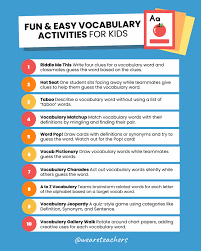
Kids learn best when they enjoy the activity. Word games, animated story videos, digital puzzles, and spelling challenges can keep them engaged while improving their vocabulary. Even simple tasks like asking a smart speaker to define a word can help build word knowledge effortlessly.
Benefits of Using Technology for Learning
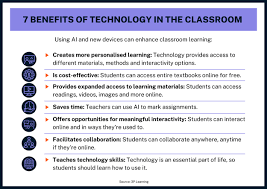
Using technology to build vocabulary offers many benefits—better memory retention, more engagement, self-paced learning, and improved pronunciation through audio features. These tools turn learning into a fun journey rather than a boring task.
Tips for Parents & Teachers
To get the best results, combine technology with traditional learning. Set healthy screen-time limits, explore age-appropriate apps, and encourage kids to practice new words in daily conversations. Parents and teachers should guide kids to use digital tools in a balanced and productive way.
Understanding how technology can improve younger kids’ vocabulary is essential in today’s tech-driven world. With thoughtful use, digital tools can support meaningful learning and help children build strong language skills that last a lifetime.
How Technology Can Improve Younger Kids’ Vocabulary
Technology has become an essential part of modern education, and understanding how technology can improve younger kids’ vocabulary helps parents and teachers use it more effectively. Vocabulary plays a vital role in shaping communication, as it helps children express ideas clearly and understand others better. Early vocabulary learning sets the foundation for lifelong language skills.
Why Kids Need Strong Vocabulary Skills

A rich vocabulary offers several academic advantages—it improves reading comprehension, helps kids understand classroom lessons faster, and boosts overall performance. It also builds confidence in speaking and writing, allowing children to communicate their thoughts with ease.
How Technology Helps in Vocabulary Building
Today’s digital tools make vocabulary learning interactive and exciting. Apps use visuals, sounds, and games to keep kids engaged. Technology also gives children exposure to real-life word usage through stories, videos, and voice interactions. With personalized learning paths, kids can learn at their own pace and level, making the process more effective.
Top Tech Tools to Boost Kids’ Vocabulary
Popular apps like Khan Academy Kids, Duolingo ABC, and Lingokids introduce new words in fun ways. Digital flashcards, interactive story apps, and AI-powered learning tools help children understand meanings, pronunciations, and usage with ease.
Smart Devices That Support Word Learning
Devices like tablets provide access to educational apps, while smart speakers allow kids to ask word meanings instantly. E-readers with built-in dictionaries help young readers learn new words while enjoying stories.
Fun Tech-Based Activities for Kids
Children can enjoy word games, animated stories, spelling challenges, and voice-command learning tasks. These activities make vocabulary building feel like play, increasing interest and retention.
Benefits of Using Technology for Vocabulary Growth
Technology supports vocabulary learning by offering faster memory retention, increased engagement, self-paced learning, and improved pronunciation. Kids stay motivated because the experience is enjoyable and rewarding.
How Parents & Teachers Can Use Technology Wisely
To make the most of tech-based learning, set healthy screen-time limits, mix digital tools with traditional reading, and regularly monitor progress. This ensures kids benefit without becoming overly dependent on screens.
Conclusion
Understanding how technology can improve younger kids’ vocabulary helps us use digital tools thoughtfully and effectively. When used with guidance and balance, technology becomes a powerful resource for building strong language and communication skills.